
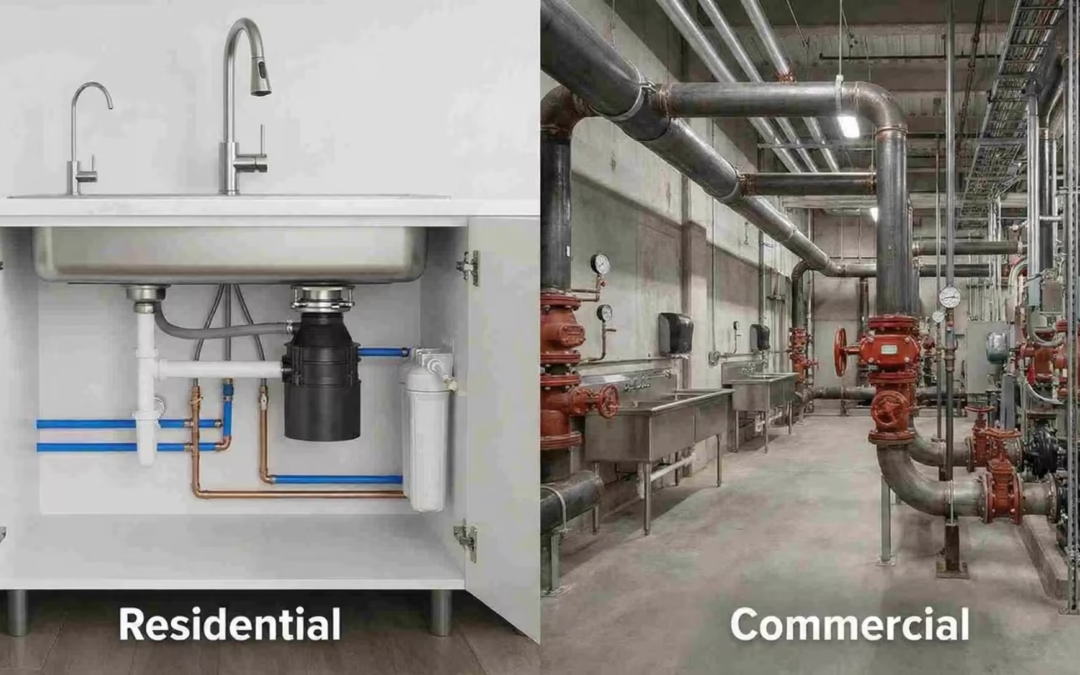
Understanding plumbing is essential for property owners, whether you manage a home or a business. Residential vs commercial plumbing may appear similar, but key differences in system capacity, design, and regulations can have significant implications for safety, efficiency, and cost.
At Safari Plumbing, we guide Ottawa residents and businesses in making informed plumbing decisions. In this blog, we’ll break down the distinctions, highlight what to look for, and provide practical guidance.
What Makes Residential and Commercial Plumbing Different?
While both systems deliver clean water and remove waste, the plumbing system differences are substantial:
- Residential plumbing services serve single-family homes or small apartments. They are designed for standard bathroom and kitchen use, with simple pipe layouts and modest water demand.
- Commercial plumbing systems must meet higher business plumbing needs, supporting multiple restrooms, kitchens, and specialty fixtures in offices, restaurants, hospitals, or industrial spaces.
The pipe size differences reflect this: commercial systems often require larger pipes to maintain water pressure and flow, while residential setups use smaller-diameter piping suitable for household use.
Signs You Need Professional Plumbing Services
Even small issues in plumbing can escalate quickly if not addressed by trained professionals. Homeowners and business owners should consider calling Ottawa Plumbers if they notice:
- Slow drains or frequent clogs
- Unexplained drops in water pressure
- Leaks or water stains around fixtures
- Strange odors from drains
- Repeated issues after DIY repairs
Recognizing these signs early helps prevent costly damage and ensures both residential and commercial systems function reliably.
System Capacity and Complexity
System capacity is a critical distinction. Residential systems are built for 1–2 bathrooms and standard fixtures, while commercial systems must accommodate high water usage, multiple fixtures, and continuous operation.
Commercial systems often involve complex networks across multiple floors or units, including:
- Industrial sinks and floor drains
- Specialty equipment for restaurants, hospitals, or gyms
- Fire suppression and backflow prevention systems
By contrast, residential setups remain straightforward, although even apartment plumbing setup can involve multiple units and shared lines.
Plumbing Code Requirements
Code compliance is crucial for all systems, but plumbing code requirements are stricter for commercial buildings:
- Residential systems typically follow standard building codes for water supply and waste removal.
- Commercial systems must account for fire safety, industrial grease disposal, and rigorous inspections.
Adhering to codes protects both the property and occupants and ensures systems are safe and efficient. The National Plumbing Code of Canada, published by the National Research Council, sets out technical requirements for the design, installation, and maintenance of residential and commercial plumbing systems, helping builders and plumbers meet safety and performance standards.
Fixtures and Equipment
Residential plumbing services generally include:
- Toilets, sinks, showers, and bathtubs
- Dishwashers and washing machines
Commercial systems are more varied and may include:
- High-capacity restrooms and kitchens
- Industrial sinks and specialty fixtures
- Water fountains and medical or laboratory-grade equipment
This variety affects maintenance complexity and long-term reliability.
Maintenance and Cost Considerations
Residential systems usually require occasional inspections and maintenance. Commercial systems need frequent professional oversight to prevent costly failures, due to their larger size, system capacity, and business plumbing needs.
Costs are also higher for commercial systems due to:
- Larger-scale installations
- Specialized equipment
- Stricter code compliance
Even for residential setups, hiring experienced Ottawa Plumbers ensures long-term reliability and peace of mind.
Key Differences Between Residential and Commercial Plumbing
| Feature | Residential Plumbing | Commercial Plumbing |
| System Capacity | Serves 1–2 bathrooms | High-volume usage, multiple fixtures |
| Pipe Size | Smaller diameter | Larger diameter for high flow |
| Maintenance | Occasional inspections | Regular professional maintenance |
| Code Requirements | Residential building codes | Stricter commercial regulations |
| Fixtures | Standard bathtubs, sinks | Specialty sinks, industrial equipment |
After understanding the basic distinctions in residential vs commercial plumbing, it’s important to explore advanced considerations, maintenance strategies, and practical tips for property owners. This ensures systems remain efficient, safe, and compliant over time.
Lifespan and Durability
Commercial plumbing systems are designed for heavy usage and long-term durability, while residential systems are intended for lighter daily use.
- Residential pipes typically last 20–30 years, depending on materials.
- Commercial systems use industrial-grade materials like PVC, cast iron, or stainless steel to withstand higher water pressure and frequent use.
- Routine inspections by experienced Ottawa Plumbers can extend the lifespan of both types of systems.
Understanding these differences helps property owners plan for maintenance, replacements, and potential upgrades efficiently.
Specialized Plumbing Requirements
Commercial buildings often have unique needs that require specialized solutions:
- Restaurants: grease traps and high-capacity sinks
- Hospitals: sterilized water lines and specialty fixtures
- Offices: multiple restrooms and water fountains
Residential systems are simpler but still require reliable fixtures and consistent maintenance. Knowing what to look for in plumbing systems ensures both safety and functionality.
Environmental and Efficiency Considerations
Water efficiency benefits both residential and commercial properties, but scale matters:
- Low-flow toilets and sensor faucets reduce water consumption.
- Water recycling and greywater systems save costs in commercial buildings.
- Energy-efficient hot water systems minimize long-term operational expenses.
Sustainable plumbing practices not only save money but also support environmental responsibility, an increasingly important consideration for businesses.
Common Mistakes When Managing Plumbing Systems
Even experienced property owners make mistakes that compromise plumbing efficiency and safety. Common errors include:
- Using DIY solutions for complex plumbing repairs
- Ignoring minor leaks or water damage
- Delaying maintenance inspections
- Failing to consider system capacity for new appliances or fixtures
- Overlooking code compliance when upgrading systems
Avoiding these mistakes ensures long-term durability and helps both residential and commercial systems operate at peak efficiency.
Future Proofing Your Plumbing System
Investing in modern plumbing technologies helps property owners prepare for long-term needs:
- Installing water-efficient fixtures and sensor faucets
- Upgrading to durable, corrosion-resistant pipes
- Considering smart monitoring systems for leaks or water flow
- Planning for growth in commercial properties or multi-unit apartments
Future-proofing ensures that both residential plumbing services and commercial plumbing systems remain efficient, cost-effective, and compliant with evolving regulations.
FAQs: Residential vs Commercial Plumbing
Can residential plumbers handle commercial plumbing work?
Residential plumbers can manage minor repairs, but commercial systems require specialized training, knowledge of larger pipe systems, and strict adherence to commercial codes.
How do pipe sizes differ between residential and commercial plumbing?
Commercial plumbing uses larger pipes to handle high flow and water pressure. Residential systems rely on smaller-diameter pipes suitable for homes or apartments.
Are commercial plumbing inspections mandatory?
Yes. Regular inspections are required to meet plumbing code requirements, ensure safety, and prevent operational disruptions or costly repairs.
How often should residential plumbing be maintained?
Homes benefit from annual inspections to check faucets, drains, water heaters, and pipe integrity. Early detection prevents leaks and improves system longevity.
How do I choose the right plumber for mixed-use properties?
Consult experienced Ottawa Plumbers like Safari Plumbing, who handle both residential plumbing services and commercial plumbing systems for compliance and efficiency.
Final Thoughts
Understanding residential vs commercial plumbing is essential for homeowners, landlords, and business managers, as each system serves different needs. Residential plumbing focuses on simplicity and efficiency, designed for smaller-scale usage, while commercial plumbing is more complex, with higher capacity, specialized equipment, and stricter code requirements. Ensuring long-term performance, safety, and efficiency requires proper maintenance, regular inspections, and professional guidance.