
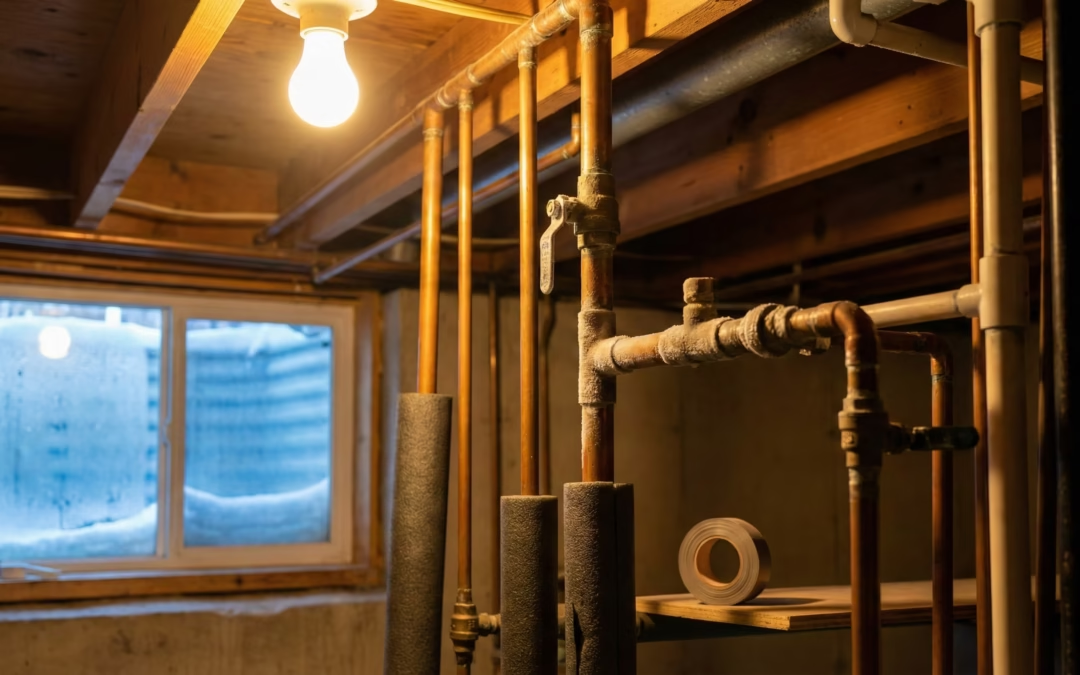
Ottawa winters bring extreme cold that puts residential plumbing at serious risk. To prevent frozen pipes Ottawa homeowners should insulate exposed pipes, maintain indoor temperatures above 15°C, disconnect outdoor hoses, seal basement and attic gaps, and let faucets drip during severe cold snaps. These proactive steps protect against burst pipes that cause thousands in water damage and keep your plumbing functional throughout winter.
Winter in Ottawa means temperatures that regularly plunge to -20°C or colder. While you’re bundling up indoors, your home’s plumbing system faces a silent threat that can lead to catastrophic damage. Frozen pipes don’t just stop water flow they can burst, flooding your home and causing extensive property damage that costs thousands to repair.
Why Frozen Pipes Are a Common Winter Issue in Ottawa
Ottawa’s harsh winter climate creates ideal conditions for frozen pipe problems. According to Environment and Climate Change Canada, Ottawa experiences an average of 65 days per year with temperatures below -10°C, with January lows frequently reaching -25°C or colder. These prolonged cold periods give freezing temperatures time to penetrate deep into your home’s structure.
Water freezes at 0°C, but pipes begin experiencing problems when temperatures drop below -6°C for extended periods. As water freezes, it expands by approximately 9%, creating immense pressure inside pipes up to 2,000 pounds per square inch. This pressure doesn’t always cause immediate bursting; instead, it often creates cracks that leak when the ice thaws, leading to sudden flooding and water damage.
How Ottawa’s Extreme Cold Affects Residential Plumbing
Cold weather plumbing problems Ottawa homeowners face aren’t limited to outdoor pipes. Unheated areas like basements, crawl spaces, attics, and exterior walls are particularly vulnerable. Pipes running through these spaces lack the warmth from your home’s heating system, making them prime candidates for freezing.
The most vulnerable pipes include:
- Outdoor hose bibs and sprinkler lines
- Pipes in unheated garages or sheds
- Water lines running through exterior walls
- Plumbing in unfinished basements or crawl spaces
- Pipes near foundation cracks or gaps
Even a small gap in your home’s insulation can channel frigid air directly onto pipes, creating localized freezing despite adequate heating elsewhere in your home.
Practical Steps to Prevent Frozen Pipes Ottawa Homeowners Should Follow
Pipe Insulation Strategies
Insulating water pipes Ottawa residents can access is your first line of defense. Foam pipe insulation sleeves are inexpensive and highly effective for exposed pipes in basements, crawl spaces, and attics. These sleeves create a thermal barrier that slows heat loss from water inside pipes.
For maximum protection:
- Install foam insulation on all exposed hot and cold water pipes
- Use heat tape or heat cables on pipes in extremely cold areas
- Seal gaps around pipes where they enter walls or floors
- Add extra insulation in crawl spaces and attics
- Consider professional insulation for hard-to-reach pipes
Even a quarter-inch of foam insulation significantly reduces freezing risk. For pipes in unheated areas, combining insulation with heat tape provides reliable protection during extreme cold snaps.
Indoor Temperature Management
Maintaining consistent indoor temperatures is critical for frozen pipe prevention Ottawa experts recommend. Never let your thermostat drop below 15°C, even when you’re away. The money you save on heating is nothing compared to the cost of burst pipe repairs.
During extreme cold warnings:
- Keep your thermostat at a consistent temperature day and night
- Open cabinet doors under sinks to allow warm air circulation
- Keep interior doors open to promote heat distribution
- Let faucets drip slightly during the coldest nights
- Never turn off heating completely when traveling
A dripping faucet relieves pressure buildup and keeps water moving, making freezing less likely. Even a trickle can prevent thousands in damage.
Outdoor Faucet and Hose Protection
Outdoor plumbing requires special attention before winter arrives. Disconnect and drain all garden hoses by late October. Water trapped in hoses freezes and expands back into your home’s plumbing, causing interior pipe damage.
Essential outdoor preparations:
- Shut off interior valves supplying outdoor faucets
- Open outdoor faucets to drain remaining water
- Install insulated faucet covers on all exterior hose bibs
- Drain and winterize sprinkler systems
- Store hoses indoors after draining
Many Ottawa homes have frost-free outdoor faucets designed to drain automatically, but these only work if hoses are disconnected. A connected hose traps water and defeats the frost-free design.
Basement, Attic, and Crawl Space Precautions
Unheated spaces need extra attention. Inspect your basement, attic, and crawl spaces for gaps, cracks, or inadequate insulation. Cold air infiltration through foundation cracks or poorly sealed areas creates freezing conditions around pipes.
| Prevention Method | Area of Home | Primary Benefit |
| Foam pipe insulation | Basement, crawl space, attic | Reduces heat loss from pipes |
| Seal foundation cracks | Basement, crawl space | Blocks cold air infiltration |
| Add wall insulation | Exterior walls | Protects pipes in wall cavities |
| Install heat tape | Unheated areas | Provides active warming |
| Improve ventilation sealing | Attic, crawl space | Prevents cold air entry |
Professional emergency plumbing Ottawa services can identify vulnerable areas during pre-winter inspections and recommend targeted improvements.
What to Do Immediately If Pipes Start Freezing
Early detection prevents bursts. If you turn on a faucet and only a trickle comes out, you likely have a frozen pipe. Act immediately:
- Keep the faucet open running water helps melt ice
- Apply heat to the frozen section using a hair dryer, heating pad, or warm towels
- Never use open flames, propane torches, or other high-heat sources
- Work from the faucet toward the frozen area
- Check all other faucets to identify additional frozen pipes
If you can’t locate the freeze or if a pipe has already burst, shut off your main water valve immediately and contact professional plumbers. Water damage escalates quickly every minute counts.
Frequently Asked Questions About Preventing Frozen Pipes
How can I stop pipes from freezing in my Ottawa home?
To stop pipes from freezing, insulate all exposed pipes with foam sleeves, maintain indoor temperatures above 15°C, disconnect outdoor hoses, seal gaps in basements and crawl spaces, and let faucets drip during extreme cold. These combined measures provide comprehensive protection against Ottawa’s harsh winter conditions.
Which pipes freeze first in winter?
Pipes in unheated spaces freeze first, including outdoor hose bibs, pipes in unfinished basements, crawl spaces, attics, and garages. Pipes running through exterior walls or near foundation cracks are also highly vulnerable. These areas lack adequate heat and insulation, making them prime freezing locations.
Does pipe insulation really work to prevent freezing?
Yes, pipe insulation is highly effective at preventing freezing. Foam insulation sleeves slow heat loss from water inside pipes, maintaining temperatures above freezing longer during cold snaps. Combined with proper heating and other preventive measures, insulation significantly reduces freezing risk and is one of the most cost-effective protections available.
What temperature should I keep my home at in winter to prevent frozen pipes?
Keep your home at minimum 15°C (59°F) at all times, even when away. During extreme cold warnings, maintain temperatures at 18-20°C for added protection. Never turn heating off completely in winter, as the cost of burst pipe repairs far exceeds heating expenses.
When should I call an emergency plumber for frozen pipes?
Call an emergency plumber immediately if you cannot locate the frozen section, if multiple fixtures have no water flow, if you hear unusual sounds in pipes, if you see bulging or frost on exposed pipes, or if a pipe has already burst. Professional intervention prevents extensive water damage and ensures safe thawing.
Can frozen pipes burst after they thaw?
Yes, frozen pipes often burst during thawing rather than while frozen. Ice expansion creates cracks that aren’t immediately visible. When ice melts, water flows through these cracks, causing leaks and flooding. This is why professional inspection after freezing incidents is crucial, even if water flow resumes normally.
Final Thoughts
Ottawa winter plumbing maintenance isn’t optional, it’s essential protection for your home and your wallet. The average burst pipe causes $5,000-$10,000 in water damage, far exceeding the cost of preventive insulation and maintenance. By insulating vulnerable pipes, maintaining adequate heating, protecting outdoor faucets, and sealing gaps in unheated spaces, you dramatically reduce freezing risk.
Don’t wait for the first deep freeze to take action. Schedule pre-winter plumbing inspections, install insulation on exposed pipes, and prepare your home before temperatures plummet. If you experience frozen pipes despite precautions, contact professional emergency plumbing Ottawa services immediately to minimize damage. Proactive prevention and rapid response are your best defenses against one of winter’s most costly home emergencies.