
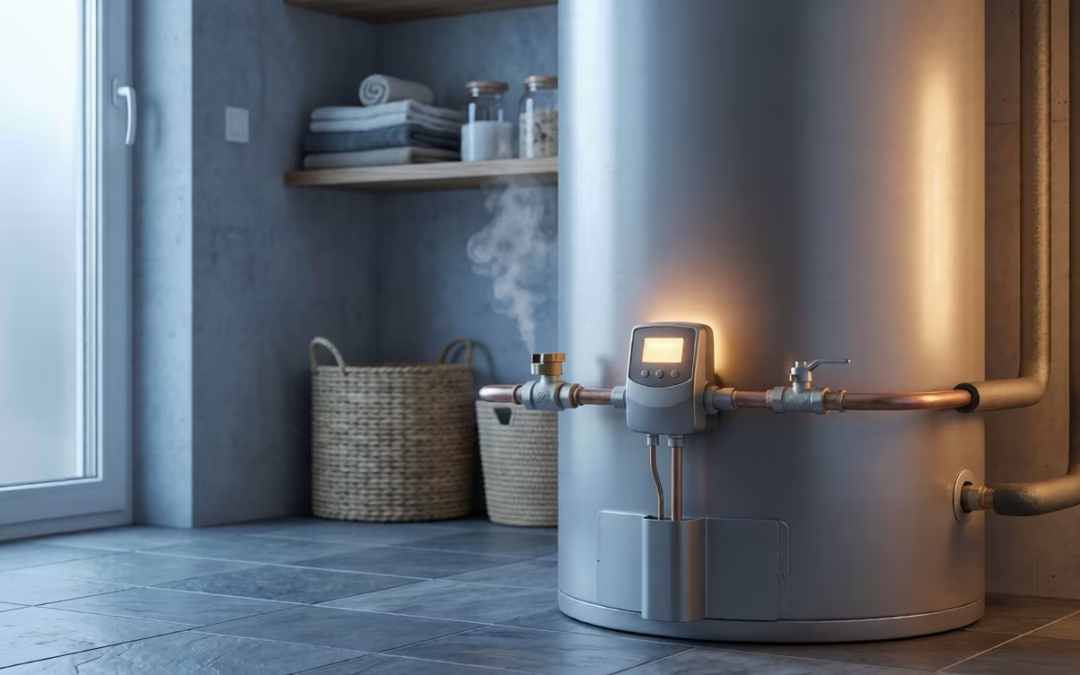
Homes experience hot water problems unexpectedly due to aging water heaters, sediment buildup, heating element failure, thermostat malfunctions, and sudden component wear. Most water heaters last 8-12 years, and issues often appear without warning when internal parts deteriorate, affecting your home’s hot water supply and leaving you with inconsistent temperatures or no hot water at all.
Nothing disrupts your daily routine quite like turning on the shower only to be met with ice-cold water. Hot water problems are among the most common and frustrating issues homeowners face, often appearing without any obvious warning signs. Understanding why these problems occur and what causes them can save you time, money, and the inconvenience of emergency repairs.
Why Hot Water Problems Appear Without Warning
Your water heater works hard every single day, heating hundreds of gallons of water for showers, dishes, laundry, and cleaning. According to Natural Resources Canada, the average water heater has a lifespan of 8-12 years, depending on maintenance, water quality, and usage patterns. As your heater ages, internal components gradually wear down, and problems can emerge suddenly even if the unit seemed to be working fine just days before.
Many homeowners don’t realize their water heater is nearing the end of its useful life until hot water supply issues begin. Unlike other appliances that show gradual decline, water heaters can fail abruptly when critical components malfunction.
Common Hot Water Problems Homeowners Face
Inconsistent Water Temperature
One of the most frustrating hot water problems is inconsistent water temperature. You might experience scalding hot water one moment and lukewarm water the next, making showers uncomfortable and unpredictable. This issue typically stems from thermostat malfunction, where the temperature control mechanism fails to maintain consistent settings.
Sediment buildup inside your water heater tank is another major contributor to temperature inconsistencies. Over time, minerals from hard water settle at the bottom of the tank, creating an insulating layer between the heating element and the water. This barrier reduces heating efficiency and causes uneven water temperatures throughout your home.
Complete Loss of Hot Water
Waking up to no hot water at all is a clear sign of water heater malfunctions that require immediate attention. For electric heater problems, the most common culprit is heating element failure. Electric water heaters typically have two heating elements, one at the top and one at the bottom of the tank. When one or both elements burn out, your heater can’t generate hot water effectively.
A tripped circuit breaker or blown fuse can also cause sudden hot water loss. Before assuming your heater needs major repairs, check your electrical panel to ensure the breaker hasn’t tripped.
Major Causes of Hot Water Supply Issues
Heating Element Failure in Electric Heaters
Heating elements are the workhorses of electric water heaters, and their failure is one of the most common causes of hot water problems. These elements are submerged in water and subjected to constant thermal stress, which eventually causes them to burn out. Signs of heating element failure include:
- Lukewarm water instead of hot water
- Hot water that runs out much faster than usual
- Strange noises coming from the water heater
- Visible corrosion or mineral deposits on the element
Replacing a failed heating element requires professional expertise due to electrical hazards and the risk of water damage if connections aren’t properly sealed.
Thermostat Malfunction and Temperature Control Issues
Your water heater’s thermostat controls when heating elements activate and at what temperature they should maintain the water. When thermostats malfunction, they can cause a range of hot water problems, from water that’s too hot to water that never reaches a comfortable temperature.
Modern water heaters have dual thermostats for upper and lower heating elements. If the upper thermostat fails, you might get a small amount of hot water before it turns cold. If the lower thermostat fails, you’ll have hot water initially, but it won’t last long because the lower element isn’t heating the majority of the tank’s water.
Sediment Buildup and Its Impact on Performance
Sediment buildup is a silent killer of water heater efficiency and longevity. As water is heated, minerals like calcium and magnesium separate and settle at the tank’s bottom. Over time, this sediment layer grows thicker, creating several problems:
- Reduced heating efficiency as elements work harder
- Increased energy costs due to longer heating cycles
- Popping or rumbling noises as water boils beneath sediment
- Accelerated tank corrosion leading to leaks
Regular flushing of your water heater tank removes sediment buildup and extends your heater’s lifespan. Most manufacturers recommend annual flushing, though homes with hard water may benefit from more frequent maintenance by Ottawa Plumbers.
Warning Signs You Shouldn’t Ignore
| Warning Sign | Possible Cause | Recommended Action |
| Rusty or discolored water | Tank corrosion, sediment buildup | Schedule a professional inspection immediately |
| Loud popping or banging sounds | Sediment buildup, overheating | Book a tank flushing and maintenance service |
| Water pooling around the heater | Tank leak, pressure relief valve failure | Contact an emergency plumber right away |
| Inconsistent water temperature | Thermostat malfunction, failing heating elements | Arrange a professional diagnostic and repair |
| Reduced hot water duration | Sediment buildup, undersized heater | Evaluate maintenance needs or consider replacement |
Recognizing these warning signs early allows you to address hot water problems before they escalate into emergency situations.
When to Seek Professional Help vs. DIY Fixes
Safe DIY Troubleshooting Steps
Before seeking professional help, there are a few safe troubleshooting steps you can take:
- Check your circuit breaker to ensure it hasn’t tripped
- Verify the thermostat is set to an appropriate temperature (120-140°F)
- Test hot water at multiple fixtures to determine if the problem is localized
- Look for visible leaks or water pooling around the heater
These basic checks can sometimes identify simple issues. However, most hot water problems require professional expertise to diagnose and repair safely.
When Professional Expertise Is Essential
Seek professional help immediately if you experience:
- Complete loss of hot water lasting more than a few hours
- Visible leaks from the tank or connections
- Discolored or foul-smelling hot water
- Electrical issues like repeated breaker trips
- Water heater age exceeding 10-12 years with multiple problems
Attempting complex water heater repairs without proper training poses serious risks, including electrical shock, scalding, and water damage.
Frequently Asked Questions About Hot Water Problems
Why do hot water problems start suddenly?
Hot water problems often appear suddenly because internal components like heating elements and thermostats can fail abruptly after years of gradual wear. While deterioration happens over time, the actual failure point can occur without warning. Regular maintenance helps identify wear before complete failure occurs.
How long do water heaters usually last?
Most residential water heaters last between 8-12 years, depending on water quality, maintenance frequency, and usage patterns. Homes with hard water or high usage may see shorter lifespans, while well-maintained heaters can exceed 12 years.
What are the signs of heating element failure?
Signs of heating element failure include lukewarm water instead of hot, hot water running out much faster than normal, unusual noises from the heater, and visible corrosion on the element itself.
What causes inconsistent water temperature?
Inconsistent water temperature typically results from thermostat malfunction, sediment buildup interfering with heating efficiency, or a failing heating element that can’t maintain consistent heat.
When should I replace vs. repair my water heater?
Replace your water heater if it’s over 10-12 years old, requires frequent repairs, shows signs of tank corrosion or leaking, or has significantly reduced efficiency. Repair is appropriate for newer heaters with isolated component failures.
Final Thoughts
Don’t wait until you’re left without hot water to address potential issues. Pay attention to warning signs like inconsistent temperatures, unusual noises, and discolored water; these indicators often precede major failures. Whether you’re dealing with heating element failure, thermostat malfunction, or sediment buildup, professional diagnosis from Ottawa Plumbers ensures accurate repairs that restore your hot water supply safely and efficiently for years to come.