
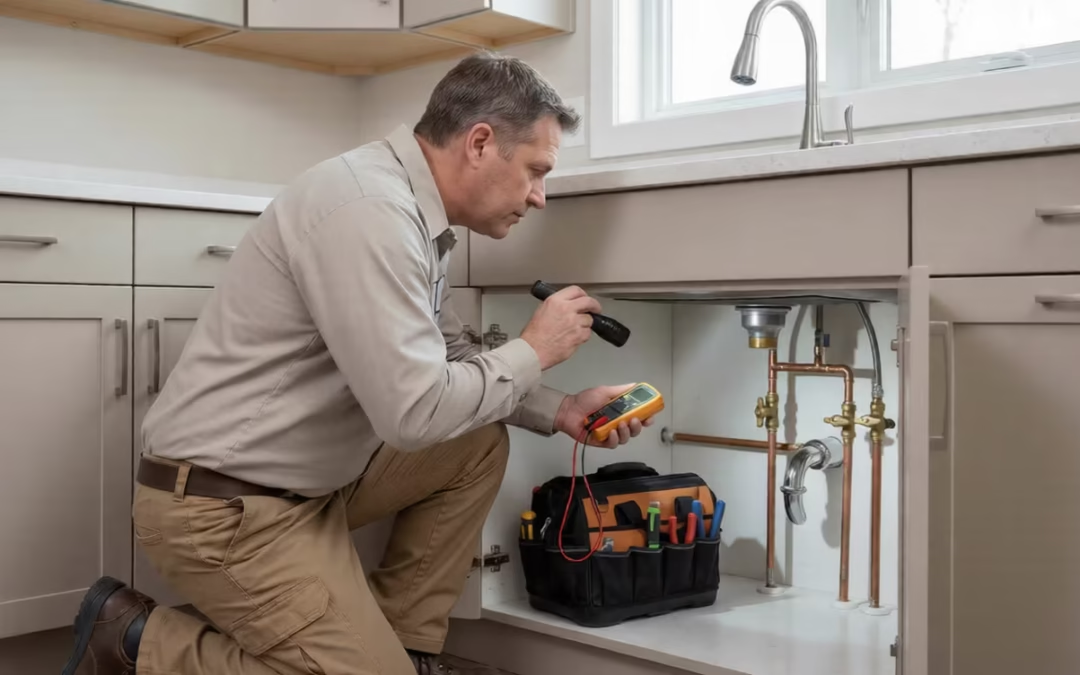
A home plumbing checkup is one of the most effective ways to protect your property from unexpected leaks, water damage, and costly repairs. Many plumbing problems develop silently behind walls or under floors, making regular inspections essential for early detection and long-term system reliability.
A professional plumbing inspection goes beyond a quick visual scan. It involves a structured plumbing system review designed to evaluate performance, safety, and efficiency across your entire home. Knowing what’s included helps homeowners understand the value of preventive maintenance and make informed decisions about repairs or upgrades.
Why a Home Plumbing Checkup Matters
Plumbing systems work daily under pressure, temperature changes, and constant use. Over time, even small issues can escalate into serious damage. A complete home plumbing checkup helps homeowners:
- Identify hidden leaks before they cause structural damage
- Improve water efficiency and lower utility bills
- Extend the lifespan of pipes, fixtures, and appliances
- Ensure consistent water pressure throughout the home
- Reduce the risk of emergency plumbing failures
Using a detailed plumbing inspection checklist, professionals assess each component methodically, ensuring nothing critical is overlooked.
What Professionals Look for During a Plumbing Checkup
A full inspection follows a structured plumbing assessment guide, focusing on both visible and hidden components of the plumbing system. Below are the core elements examined during a comprehensive review.
1. Pipe Condition Evaluation
A pipe condition evaluation is the foundation of any home plumbing checkup. Plumbers inspect exposed pipes in basements, crawl spaces, utility rooms, and under sinks to assess their overall health. This includes checking for:
- Corrosion, rust, or discoloration
- Cracks, pinhole leaks, or weak joints
- Signs of aging or outdated pipe materials
- Improper slope, alignment, or support
Older homes often have pipes that no longer meet modern performance standards. Identifying deteriorating pipes early allows homeowners to plan repairs before sudden failures occur.
2. Leak Detection Methods
Not all leaks are visible. Professional plumbers use specialized leak detection methods to locate hidden water loss that may be damaging walls, floors, or foundations. These methods may include:
- Moisture readings around fixtures and walls
- Pressure-based testing of water lines
- Visual inspection of valves, joints, and supply connections
Even small leaks can waste thousands of liters of water annually. Early detection protects both the home’s structure and the household’s water efficiency.
3. Water Pressure Testing
Water pressure testing is a critical step in evaluating system performance. Water pressure that is too high can strain pipes and fixtures, while low pressure may indicate blockages, leaks, or failing components.
During this process, plumbers:
- Measure pressure at multiple fixtures
- Check for pressure fluctuations
- Inspect pressure-regulating valves if present
Balanced pressure ensures comfortable daily use while preventing long-term pipe damage.
4. Drainage System Check
A thorough drainage system check ensures wastewater flows freely and safely away from the home. Plumbers examine:
- Sink, shower, and bathtub drains
- Floor drains and cleanout access points
- Signs of slow drainage or recurring clogs
- Odors that may indicate venting issues
Drainage problems often signal deeper issues such as buildup, partial blockages, or improper venting that require professional attention.
5. Fixture Inspection
A detailed fixture inspection focuses on all water-using components throughout the home. This includes:
- Faucets and showerheads
- Toilets and flushing mechanisms
- Outdoor hose connections
- Water-connected appliances
Loose fittings, worn seals, or inefficient fixtures can quietly waste water and reduce system performance. Replacing or repairing these components early improves efficiency and reliability.
Home Plumbing Checkup Overview
| Inspection Area | Purpose | Benefit |
| Pipe Condition Evaluation | Identify wear or corrosion | Prevent pipe failure |
| Leak Detection Methods | Locate hidden leaks | Avoid water damage |
| Water Pressure Testing | Measure system balance | Protect fixtures |
| Drainage System Check | Ensure proper flow | Prevent backups |
| Fixture Inspection | Check efficiency and wear | Reduce water waste |
When Should You Schedule a Home Plumbing Checkup?
Homeowners should consider a home plumbing checkup:
- Once a year as preventive maintenance
- Before purchasing or selling a property
- After major renovations or appliance installations
- When experiencing leaks, pressure issues, or frequent clogs
Partnering with experienced Ottawa Plumbers ensures inspections are thorough, accurate, and aligned with professional standards. Trusted providers like Safari Plumbing use structured inspection processes to deliver reliable, long-term solutions.
Additional Areas Covered in a Full Home Plumbing Checkup
Beyond the core inspection points, a professional home plumbing checkup also includes several critical areas that directly impact safety, efficiency, and long-term performance. These elements are often overlooked during basic assessments but are essential for a complete plumbing system review.
6. Shut-Off Valves and Control Points
During a comprehensive plumbing inspection checklist, plumbers test all main and fixture-level shut-off valves. These valves are vital during emergencies such as leaks or pipe bursts.
Plumbers assess:
- Accessibility of main shut-off valves
- Valve responsiveness and sealing
- Corrosion or stiffness in older valves
Faulty shut-off valves can delay emergency response, increasing the risk of water damage.
7. Venting System Evaluation
Proper venting ensures smooth drainage and prevents sewer gas from entering the home. During a plumbing assessment guide, professionals evaluate vent pipes for blockages or improper installation.
A venting check helps:
- Prevent slow drains and gurgling sounds
- Maintain safe indoor air quality
- Support balanced water flow
Poor venting is a common issue in older homes and renovations done without professional oversight.
8. Water Heater and Supply Line Review
A plumbing system review always includes the water heater and its connections. Plumbers inspect:
- Supply and discharge lines
- Pressure relief valves
- Signs of sediment buildup or corrosion
Early detection of issues improves energy efficiency and reduces the risk of unexpected breakdowns.
How a Home Plumbing Checkup Helps You Plan Ahead
One of the greatest benefits of a home plumbing checkup is foresight. Rather than reacting to emergencies, homeowners gain a clear understanding of current conditions and future risks.
A professional inspection provides:
- Prioritized repair recommendations
- Maintenance timelines
- Upgrade opportunities for efficiency
- Budget planning for long-term improvements
This proactive approach saves money and extends system lifespan.
Why Professional Standards Matter
Plumbing inspections must align with national safety and performance standards. According to the National Plumbing Code of Canada, proper installation and maintenance are essential for protecting both occupants and property from health and safety risks.
Licensed professionals stay updated with evolving regulations to ensure compliance during inspections and repairs.
Choosing the Right Professionals for a Plumbing Checkup
Not all inspections offer the same level of detail. Working with experienced Ottawa Plumbers ensures your inspection is thorough, accurate, and actionable.
Safari Plumbing follows a structured plumbing inspection checklist, combining technical expertise with clear homeowner guidance to deliver dependable results.
Frequently Asked Questions
How often should a home plumbing checkup be done?
Most homes benefit from an annual home plumbing checkup to identify early wear, leaks, and pressure issues before they turn into costly repairs or system failures.
Does a plumbing checkup require shutting off water?
Some tests may require brief water shut-off, but most inspections are non-invasive and designed to minimize disruption while still providing accurate system evaluations.
Can a plumbing checkup prevent leaks completely?
While no inspection can guarantee zero leaks, routine checkups greatly reduce risk by identifying weaknesses early and recommending timely repairs.
Are older homes more in need of plumbing inspections?
Yes, older homes often have aging pipes, outdated materials, and hidden issues, making regular plumbing system reviews especially important for safety and efficiency.
Is a home plumbing checkup worth the cost?
Yes, preventive inspections typically cost far less than emergency repairs and help extend system lifespan while protecting your home from water damage.
Final Thoughts
A professional home plumbing checkup is a smart investment in your property’s safety, efficiency, and long-term value. By following a detailed plumbing inspection checklist, homeowners gain clarity, control, and peace of mind. From pipe condition evaluation to drainage system checks and fixture inspections, every step plays a role in preventing costly surprises. Partnering with trusted Ottawa Plumbers like Safari Plumbing ensures your plumbing system receives expert care, reliable insights, and solutions built to last.