
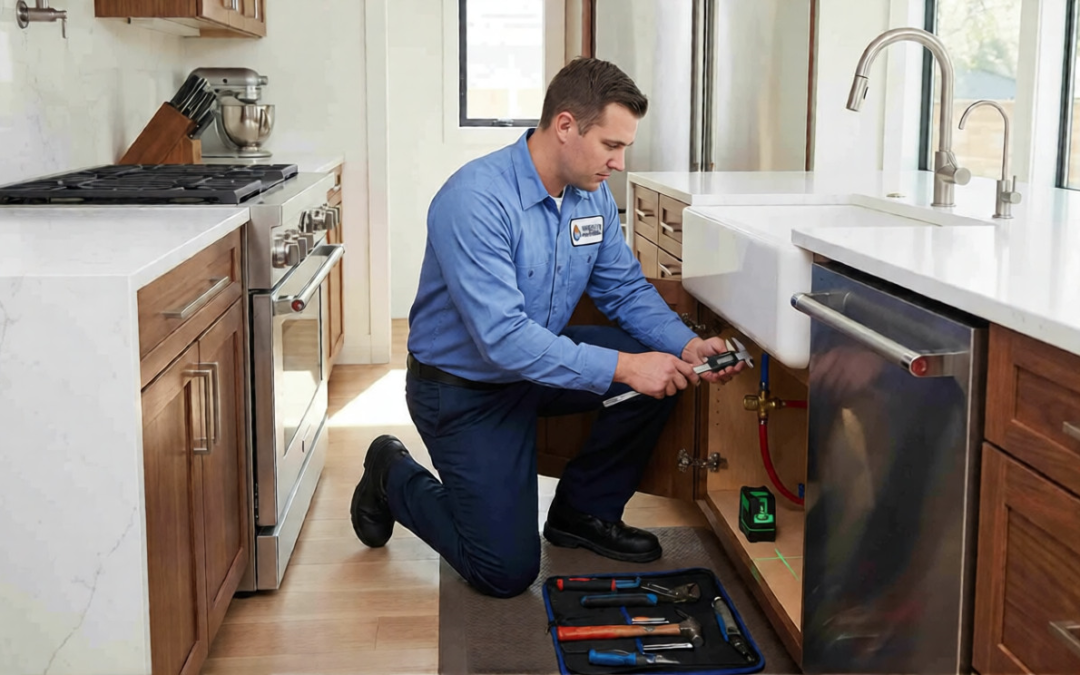
A high-quality Kitchen Plumbing Installation ensures proper water flow, prevents leaks, and protects your home from costly damage. Poor installation often shows warning signs early, from slow drains to recurring clogs. Knowing what quality workmanship looks like helps homeowners avoid future repairs, improve efficiency, and maintain a reliable kitchen plumbing system.
Why Kitchen Plumbing Installation Quality Matters More Than You Think
Your kitchen is one of the most heavily used areas of your home, relying daily on sinks, drains, dishwashers, and water supply lines. When kitchen plumbing installation is done incorrectly, small issues can quickly turn into persistent problems that disrupt daily routines and increase repair costs.
Professional residential kitchen plumbing services focus on proper pipe alignment, pressure balance, and drainage flow details that are often overlooked in rushed or inexperienced installations.
Signs of Poor Kitchen Plumbing Installation Homeowners Should Never Ignore
Many homeowners assume plumbing problems are normal wear and tear. In reality, several issues point directly to poor installation practices.
Common Warning Signs Include:
- Frequent kitchen sink clogs despite careful use
- Gurgling noises from the drain or pipes
- Water pooling under the sink cabinet
- Foul odors coming from the drain
- Slow drainage after installation
- Loose or misaligned fixtures
These signs of poor kitchen plumbing installation usually indicate improper pipe slopes, incorrect fittings, or low-quality materials.
Common Kitchen Plumbing Installation Mistakes That Cause Long-Term Problems
Kitchen plumbing systems require precision. Even small installation errors can reduce efficiency and increase the risk of leaks.
Most Common Installation Mistakes:
- Incorrect pipe slope that restricts drainage
- Over-tightened or under-tightened fittings
- Using mismatched pipe materials
- Improper venting of kitchen drains
- Poor sealing around sink and drain joints
These common kitchen plumbing installation mistakes often result in repeated service calls and premature system failure.
Kitchen Sink and Drain Installation Tips That Indicate Quality Work
A properly installed kitchen sink and drain system should function quietly, drain efficiently, and remain leak-free over time.
Indicators of a Quality Installation:
- Smooth and fast drainage
- Secure, level sink placement
- Properly sealed drain connections
- Adequate venting to prevent airlocks
- Easy access to shut-off valves
Following professional kitchen sink and drain installation tips ensures long-term performance and reduces the likelihood of emergency repairs.
Proper Kitchen Pipe Fitting Standards Explained Simply
Professional plumbers follow strict installation standards to ensure durability and safety. Understanding plumbing codes and standards is crucial for ensuring installations meet safety requirements.
Key Proper Kitchen Pipe Fitting Standards:
- Pipes aligned without stress or bending
- Secure joints with approved fittings
- Correct pipe diameter for water flow demand
- Heat- and pressure-rated materials
- Compliance with local plumbing codes
Licensed professionals offering residential kitchen plumbing services ensure these standards are met, protecting your home from leaks and water damage.
Kitchen Plumbing Issues Found Early vs. Problems Caused by Poor Installation
| Issue | Early Indicator | Quality Installation Solution |
| Slow drain | Standing water | Proper pipe slope |
| Repeated clogs | Gurgling sounds | Correct venting |
| Cabinet leaks | Moisture buildup | Sealed fittings |
| Odors | Dry traps | Correct trap installation |
| Low pressure | Weak water flow | Proper line sizing |
This table highlights how early warning signs often trace back to installation quality rather than appliance failure.
Why Professional Kitchen Plumbing Installation Saves Money
While DIY or low-cost installations may seem appealing, they often lead to recurring problems. Professional kitchen plumbing installation reduces long-term expenses by ensuring everything is done correctly the first time.
Long-Term Benefits:
- Fewer repairs and service calls
- Reduced risk of water damage
- Longer fixture lifespan
- Better water efficiency
- Code-compliant installations
Experienced plumbers from Safari Plumbing understand local standards and ensure reliable, long-lasting results.
When to Call Professionals for Kitchen Plumbing Work
If you notice recurring clogs, persistent leaks, or installation issues after renovations, it’s time to call professionals. Certified plumbers specializing in Ottawa kitchen plumbing can diagnose and correct installation flaws before they escalate.
Working with trusted Ottawa Plumbers ensures your kitchen plumbing system is installed safely, efficiently, and built to last.
Preventive Kitchen Plumbing Tips Every Homeowner Should Follow
Even the best kitchen plumbing installation can deteriorate if not properly maintained. Homeowners play a key role in keeping their kitchen plumbing system efficient and leak-free.
Smart Preventive Practices:
- Avoid pouring grease, coffee grounds, or fibrous food down the drain.
- Use sink strainers to catch debris and prevent clogs.
- Inspect under-sink pipes periodically for leaks or moisture.
- Tighten loose connections without over-tightening.
- Schedule periodic professional inspections for early detection.
- Ensure all shut-off valves are accessible and operational.
By following these preventive kitchen plumbing tips, homeowners reduce the risk of recurring clogs, leaks, and costly emergency repairs.
Frequently Asked Questions
How do I know if my kitchen plumbing installation was done properly?
Signs of a proper installation include smooth drainage, no leaks under sinks, secure fixtures, proper venting, and adherence to local plumbing codes. Persistent problems like slow drains or odors often indicate installation issues.
What is included in residential kitchen plumbing services?
Professional residential kitchen plumbing services cover kitchen sink installation, drain pipe setup, faucet and fixture installation, leak detection, unclogging, and ongoing maintenance to ensure long-term reliability.
How often should I schedule inspections for my kitchen plumbing?
It’s recommended to have your kitchen plumbing inspected at least once a year. Homes with older plumbing or high usage may benefit from semi-annual inspections to catch potential issues early.
Can poor kitchen plumbing installation cause recurring sink clogs?
Yes. Improper pipe slope, incorrect venting, or poorly fitted drain traps can all lead to recurring kitchen sink clogs, even with careful usage.
When should I call a professional plumber instead of attempting DIY fixes?
Call a licensed plumber if you notice repeated clogs, water pooling under cabinets, foul odors, low water pressure, or any signs of improper installation. Professionals have the tools and expertise to resolve issues safely and efficiently.
Final Thoughts
High-quality Kitchen Plumbing Installation is essential for a reliable, efficient, and safe kitchen system. Even minor installation errors can lead to recurring clogs, leaks, or water damage over time. Partnering with experienced professionals from Safari Plumbing ensures your kitchen plumbing meets proper standards, uses the correct materials, and complies with local codes. Homeowners can further protect their investment by following preventive maintenance tips, monitoring for early warning signs, and scheduling periodic inspections. Proper installation combined with regular care minimizes the risk of future problems, reduces repair costs, and ensures your kitchen remains fully functional for years to come. For trusted expertise in Ottawa kitchen plumbing, rely on certified professionals who prioritize long-term reliability and safety.